To clean hardwood floors effectively, start by removing dust, dirt, and pet hair using a dry sweeping tool designed to trap and lock debris. Follow with light mopping using a cleaner designed for finished hardwood floors, using minimal moisture. Regular cleaning helps protect the surface and maintain the floor’s appearance over time.
Hardwood floors add warmth and character to a home, but they require the right care to keep them looking their best.
Cleaning hardwood floors is not just about appearance. It is about protecting the finish, preventing damage, and maintaining the integrity of the wood over time. The right routine makes all the difference.
Why hardwood floors require a different cleaning approach
Hardwood floors are more sensitive than other surfaces. Dirt, dust, and grit can act like fine abrasives, scratching the surface over time. Moisture, if not controlled, can damage the finish or seep into seams.
That is why proper care focuses on three things:
Removing debris before cleaning
Using minimal moisture
Cleaning consistently
These principles align with guidance from wood floor industry experts, including the National Wood Flooring Association, which emphasizes proper maintenance to protect long-term floor performance.
The best way to clean hardwood floors step by step
1. Start with dry sweeping to remove debrisBefore any mopping, remove loose dirt, dust, and pet hair.
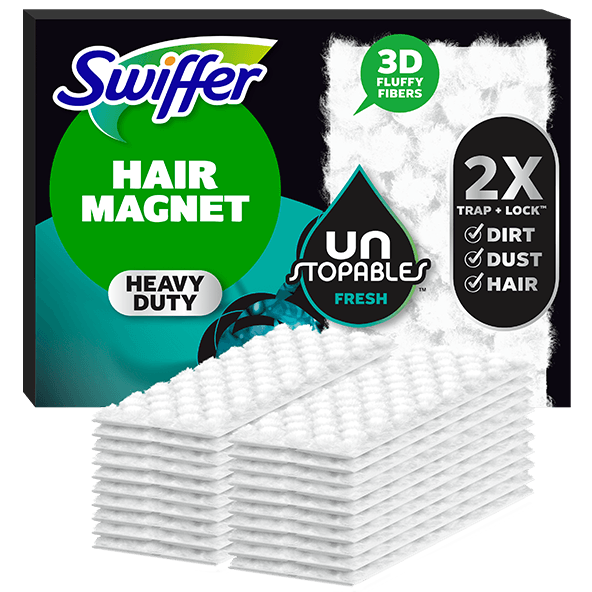
Swiffer Heavy Duty Dry Sweeping Cloths are designed with 3D fluffy fibers and Trap and Lock technology to lift, trap, and lock dust, dirt, and hair. They also remove up to 95% of allergens* and easily reach areas where larger cleaning tools may miss.
This step is critical because leftover particles can scratch the floor during cleaning.
*Common, inanimate allergens from cat and dog dander and dust mite matter
Once loose debris is removed, follow with a mop designed for finished hardwood floors.
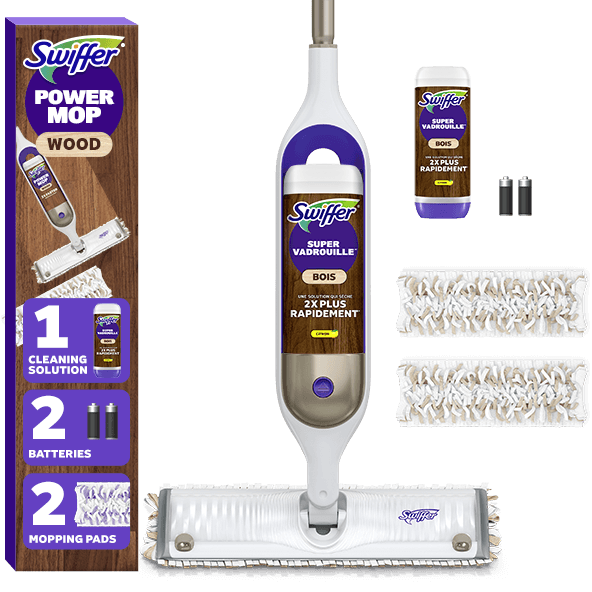
Swiffer PowerMop Wood is designed with gentle-glide strips and a QuickDry cleaning formula that helps clean without over-wetting the surface. It absorbs dirt and grime while drying quickly.
Avoid excess moisture, as too much liquid can damage hardwood floors over time.
3. Clean high traffic and problem areas more frequentlyFocus on areas where buildup happens fastest:
Entryways
Kitchens
Hallways
Areas where pets spend time
Frequent cleaning in these zones helps protect the finish and maintain appearance.
4. Maintain a consistent routineRegular cleaning helps prevent buildup that can dull or damage hardwood floors.
A simple routine helps maintain appearance while reducing the effort required for deeper cleaning over time.
How Swiffer supports hardwood floor cleaning
Using a combination of dry sweeping and mopping helps address both loose debris and stuck-on messes, creating a more complete clean for hardwood floors.
Swiffer solutions are designed to work together as part of a simple, effective routine
Swiffer Heavy Duty Dry Sweeping Cloths help trap and lock dust, dirt, and pet hair before mopping, while removing up to 95% of allergens*
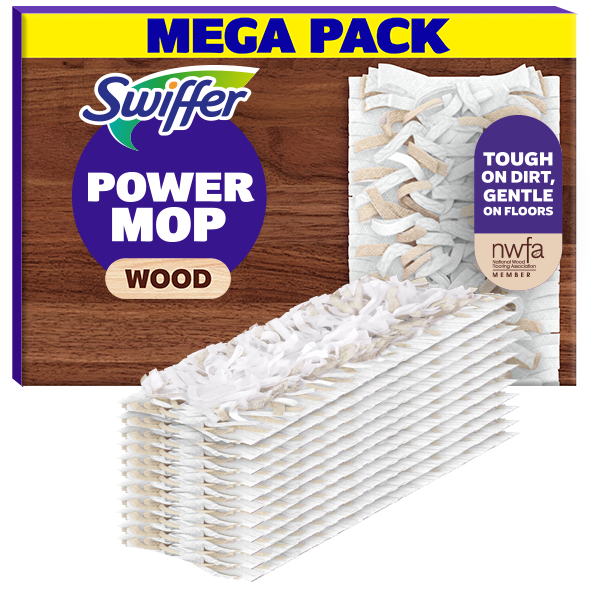
PowerMop Wood pads are designed for use on finished hardwood floors, helping clean everyday dirt and stubborn, sticky messes without over-wetting the surface
PowerMop Micro-scrubbing dots and an absorbent pad help break up grime and lock it away, delivering a deeper clean while remaining gentle on floors
PowerMop is Designed to be safe on finished wood floors** and help maintain their appearance over time
**Do not use on unfinished, oiled, or waxed wooden boards, non-sealed tiles, or carpeted floors because they may be water sensitive
Common mistakes to avoid when cleaning hardwood floors
Even with regular cleaning, certain habits can damage hardwood floors over time. Understanding why these mistakes matter can help protect the finish and extend the life of your floors.
Using too much water during cleaning
Excess moisture can seep into seams and edges, weakening the finish and potentially damaging the wood over time
Skipping dry sweeping before mopping
Loose dirt and grit can act like fine abrasives. When mixed with moisture, they can scratch the surface and dull the finish
Letting dirt and grit build up
Over time, small particles can wear down the surface of the floor, leading to visible scratches and loss of shine
Using products not designed for hardwood floors
Harsh or incompatible cleaners can strip the protective finish or leave behind residue that attracts more dirt
Dragging furniture without protection
Moving furniture directly across the surface can cause scratches, scuffs, and permanent damage to the finish
Avoiding these mistakes helps preserve the floor’s finish, maintain its appearance, and protect it over time.
Tips to protect hardwood floors long term
Simple habits can make a meaningful difference in maintaining hardwood floors.
Remove shoes at the door to reduce dirt and grit
Use mats in high traffic areas
Add felt pads to furniture legs
Clean regularly to prevent buildup
These small steps help extend the life and beauty of your floors.
Bottom line
Cleaning hardwood floors the right way starts with removing debris, followed by light mopping with minimal moisture.
Using tools designed to trap and lock dust, dirt, and pet hair, along with cleaning solutions made for finished hardwood floors, helps protect the surface while keeping floors clean and well maintained.
Frequently Asked Questions
What is the best way to clean hardwood floors
Start with dry sweeping to remove dust and debris, then follow with light mopping using a cleaner designed for hardwood floors while avoiding excess moisture.
Can you use water to clean hardwood floorsMoisture should be used carefully. Avoid excess water and use cleaning solutions designed for finished hardwood floors.
How often should you clean hardwood floorsRegular cleaning helps prevent buildup. Frequent light cleaning combined with periodic deeper cleaning helps maintain hardwood floors.
What should you not use on hardwood floorsAvoid excessive water, harsh cleaners, and tools that can scratch the surface or damage the finish.
References
National Wood Flooring Association aligned care principles
https://woodfloors.org/how-to-clean-and-take-care-of-your-wood-floors-essential-tips-for-homeowners/