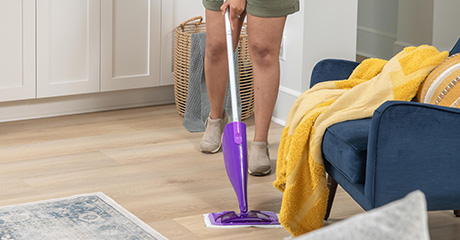
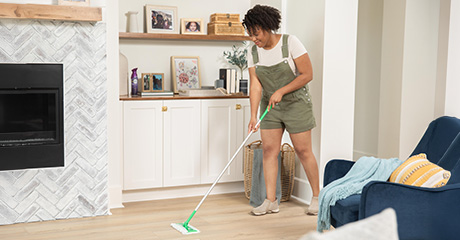
To protect hardwood floors from scratches and dust, regularly remove dirt and debris using a dry sweeping tool designed to trap and lock particles, use minimal moisture when cleaning, and take preventative steps like using furniture pads and entry mats. Consistent daily cleaning helps prevent buildup that can damage the floor’s surface over time.
Hardwood floors add warmth and character to a home, but they are also vulnerable to everyday wear. Dust, dirt, and small particles may seem harmless, but over time they can lead to visible scratches and a dull appearance.
Protecting hardwood floors is not just about occasional cleaning. It is about consistently removing debris and preventing damage before it happens.
Why dust and dirt can damage hardwood floors
Dust and dirt are one of the most common causes of scratches on hardwood floors.
Small particles like dirt, sand, and debris can act like fine abrasives. As people walk across the floor, these particles are pushed and dragged along the surface, gradually wearing down the finish and leaving behind scratches.
Over time, this can:
Dull the appearance of the floor
Create visible scratches and scuffs
Wear down the protective finish
This is why regular removal of dust and debris is one of the most important steps in protecting hardwood floors.
The best way to prevent scratches and dust buildup
1. Remove dust and debris daily
The most effective way to protect hardwood floors is to remove dust, dirt, and pet hair before it builds up.
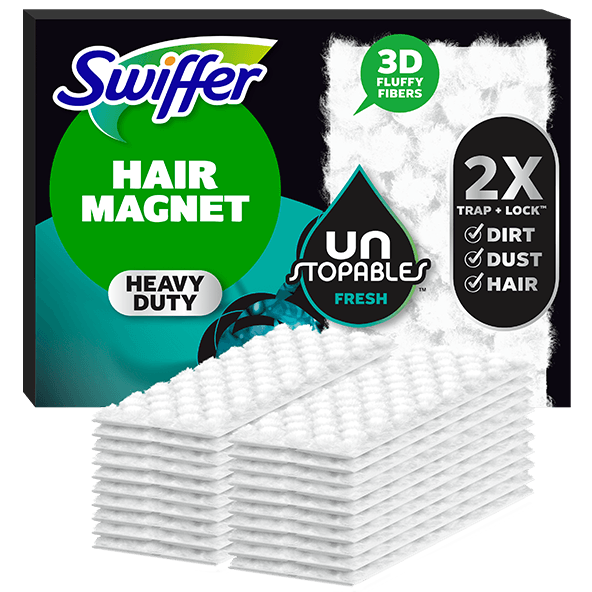
Swiffer Heavy Duty Dry Sweeping Cloths are designed with 3D fluffy fibers and Trap and Lock technology to lift, trap, and lock dust, dirt, and hair. They also remove up to 95% of allergens* and easily reach areas like corners, edges, and under furniture where debris tends to collect.
This helps prevent particles from being spread across the floor and scratching the surface.
*Common, inanimate allergens from cat and dog dander and dust mite matter2. Use minimal moisture when cleaning
Moisture should be used carefully on hardwood floors.
After removing debris, light mopping with a system designed for finished wood floors can help clean without over-wetting the surface. Using controlled moisture helps remove messes while protecting the floor’s finish.
3. Focus on high traffic areas
Entryways, kitchens, and hallways are more likely to collect dirt and debris.
Cleaning these areas more frequently helps reduce the amount of dust and grit that can be spread to other parts of the home.
Simple habits that help protect hardwood floors
Small changes can make a big difference in preventing scratches and dust buildup.
Remove shoes at the door to reduce dirt and grit
Use mats in entryways to catch debris before it reaches the floor
Add felt pads to furniture legs to prevent scratches
Avoid dragging furniture across the floor
Clean regularly to prevent buildup
These habits help protect the floor’s surface and extend its lifespan.
A simple daily routine to prevent scratches
Keeping hardwood floors protected does not require a complicated process.
A simple daily routine can help maintain their appearance:
Quick pass with a dry sweeping tool to remove dust and debris
Light cleaning in high-traffic areas as needed
Spot cleaning visible messes
This routine helps prevent buildup and reduces the risk of scratches over time.
Common mistakes that lead to scratches
Even with good intentions, certain habits can increase the risk of damage.
Letting dust and dirt build up over time
Skipping dry sweeping before cleaning
Using too much moisture
Using tools that push debris instead of trapping it
Dragging furniture without protection
Avoiding these mistakes helps maintain the finish and appearance of hardwood floors.
How Swiffer helps protect hardwood floors
Using the right tools makes a difference in preventing scratches and managing dust.
Swiffer solutions are designed to support daily cleaning and protection
Swiffer Heavy Duty Dry Sweeping Cloths help trap and lock dust, dirt, and pet hair
Remove up to 95% of allergens*
Help prevent debris from being spread across the floor
Easily reach under furniture and along edges where dust collects
By removing debris effectively, this approach helps reduce the risk of scratches and maintain the floor’s appearance.
Final answer
Protecting hardwood floors from scratches and dust starts with consistent daily cleaning and simple preventative habits.
Removing debris before it builds up, using minimal moisture, and preventing damage from furniture and foot traffic helps maintain the floor’s finish and appearance over time.
Using tools designed to trap and lock dust, dirt, and hair makes it easier to protect hardwood floors as part of a simple, everyday routine.
Frequently Asked Questions
What causes scratches on hardwood floors
Scratches are often caused by dirt, dust, and small particles being moved across the surface, as well as furniture movement and foot traffic.
How do you prevent dust from damaging hardwood floors
Regularly removing dust and debris using a dry sweeping tool helps prevent buildup that can scratch the surface.
How often should you clean hardwood floors to prevent scratches
Frequent light cleaning helps prevent dust and dirt from building up and causing damage over time.
What is the best way to protect hardwood floors
A combination of daily debris removal, controlled moisture cleaning, and preventative habits like using mats and furniture pads helps protect hardwood floors.
References
Hardwood floor care best practices
NWFA